


What Type of Therapist Is Best for Trauma? A Guide to Finding a Trauma Therapist in New Jersey
The best therapist for trauma is a licensed mental health professional with specialized, advanced training in a trauma-focused, evidence-based approach, such as EMDR (Eye Movement Desensitization and Reprocessing), trauma-focused cognitive behavioral therapies, or Internal Family Systems (IFS). The license tells you a therapist is qualified to practice. The trauma training tells you they are qualified to help you heal from trauma specifically.
If you are searching “what kind of therapist should I see for trauma” or “trauma therapist near me in NJ,” this guide walks you through the credentials, approaches, and questions that matter most, so you can choose with confidence.
Why Trauma Needs a Specialized Therapist
Trauma is not simply a difficult memory. When something overwhelming happens, the brain and body can remain in a state of high alert long after the event has passed. That is why people with trauma often notice reactions that feel out of proportion to the present moment: a racing heart at a certain sound, difficulty sleeping, feeling disconnected, or avoiding places and people that bring back reminders.
General talk therapy can be supportive, and many people gain valuable insight from it. However, trauma often lives in the nervous system and in how memories are stored, not only in our thoughts. Trauma-focused approaches are specifically designed to address those deeper layers, which is why the type of training a therapist has makes such a meaningful difference.
Step 1: Look for the Right License
In New Jersey, several types of licensed professionals can provide trauma therapy:
- Licensed Clinical Social Worker (LCSW): A master’s-level clinician licensed for independent clinical practice, with training in mental health, family systems, and the social context of a person’s life.
- Licensed Professional Counselor (LPC): A master’s-level counselor licensed for independent practice in mental health counseling.
- Licensed Marriage and Family Therapist (LMFT): A clinician with specialized training in relationships and family dynamics.
- Licensed Psychologist (PhD or PsyD): A doctoral-level clinician who provides therapy and psychological assessment.
- Psychiatrist (MD or DO): A medical doctor who can diagnose and prescribe medication. Many people see a psychiatrist for medication alongside a therapist for trauma therapy.
No single license is automatically “best” for trauma. A highly trained LCSW or LPC may be far better suited to trauma work than a clinician with a more advanced degree but no trauma specialization. What matters most is the next step.
Step 2: Look for Trauma-Focused Training
This is where trauma therapists truly differ from one another. Trauma-focused approaches with strong research support include:
EMDR (Eye Movement Desensitization and Reprocessing)
EMDR is one of the most extensively researched trauma therapies and is recommended in major clinical guidelines for PTSD. It uses bilateral stimulation, such as guided eye movements or gentle taps, to help the brain reprocess traumatic memories so they no longer carry the same emotional charge. A notable benefit is that clients do not need to describe the event in detail.
EMDR Flash Technique
The Flash Technique is a gentler approach used within EMDR therapy. Rather than focusing directly on a distressing memory, the client focuses on something calming while the memory remains in the background. It is often used to reduce intensity before standard EMDR, and it can be especially helpful for people who feel easily overwhelmed.
Trauma-Focused Cognitive Behavioral Therapies
Approaches such as Cognitive Processing Therapy (CPT) and Prolonged Exposure (PE) are also strongly supported by research. They help people understand and shift the beliefs that formed after trauma and gradually reduce avoidance of safe reminders.
Internal Family Systems (IFS)
IFS views the mind as made up of different “parts,” some of which formed to protect us after painful experiences. IFS helps clients approach those protective parts with compassion and heal the emotional wounds underneath. It has a growing research base and is widely valued for complex and childhood trauma.
Somatic and Body-Based Approaches
Because trauma is held in the body, approaches that focus on nervous system regulation, breathing, and body awareness can help people feel safer and more grounded, often as a complement to EMDR or IFS.
Step 3: Check How Advanced the Training Is
Trauma training varies widely. A clinician may complete an introductory weekend workshop and list a method on their profile, while another may complete years of advanced training, supervised practice, and certification. For complex trauma, childhood trauma, and dissociation, depth of training matters significantly, because the work needs to be carefully paced and safely structured.
When reviewing a trauma therapist’s profile, look for phrases such as “certified,” “Level 3,” or “advanced training,” rather than simply “trained in” or “familiar with.”
Signs You May Benefit From a Trauma Therapist
People often begin searching for a trauma therapist when they notice experiences like these:
- Memories that still feel vivid or upsetting, even years later
- Nightmares or difficulty sleeping
- Strong reactions to reminders, such as a smell, a sound, a place, or a tone of voice
- Feeling constantly on guard or easily startled
- Avoiding certain people, places, or conversations
- Feeling numb, detached, or “checked out”
- Ongoing beliefs such as “I’m not safe” or “It was my fault”
- Past talk therapy that helped you understand what happened, but did not change how it feels
Questions to Ask a Potential Trauma Therapist
- What specific trauma-focused training do you have, and how advanced is it?
- Do you have experience with my type of trauma, such as abuse, a car accident, medical trauma, or childhood trauma?
- How do you prepare clients before processing difficult memories? Quality trauma therapy always begins with stabilization and safety.
- What happens if I feel overwhelmed during a session?
- Do you offer gentler options, such as the EMDR Flash Technique, if standard approaches feel too intense?
- Do you offer telehealth? Online sessions can make consistent care easier to maintain.
A good trauma therapist will welcome these questions and answer them clearly.
Trauma Therapy at Light Street Psychotherapy in Short Hills, NJ
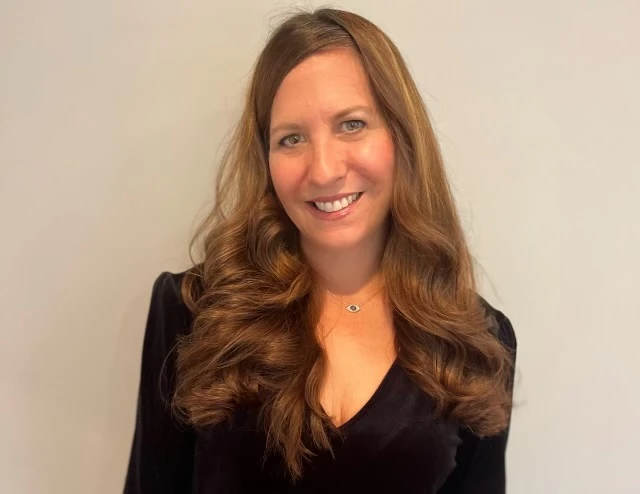
At Light Street Psychotherapy in Short Hills, New Jersey, trauma treatment is led by founder Meredith Strauss, LCSW, a trauma specialist with advanced certification in two leading trauma approaches.
- License: Licensed Clinical Social Worker (LCSW), licensed in New Jersey and Florida
- Education: BA, Washington University in St. Louis; Master of Social Work with Honors, Rutgers University
- Certifications: EMDR Level 3 Certified; Internal Family Systems (IFS) Level 3 Certified; Program Assistant at IFS trainings
- Additional training: EMDR Flash Technique
- Trauma specialization: Sexual and physical abuse, domestic violence, traumatic car accidents, medical trauma, childhood developmental and attachment trauma, grief, and dissociation
- Who she works with: Adults, adolescents, and families
- Office: Short Hills, NJ (in-person + telehealth across New Jersey and Florida)
Holding Level 3 certification in both EMDR and IFS is uncommon. The two approaches complement each other well: EMDR helps the brain reprocess how a traumatic memory is stored, while IFS helps heal the emotional parts that formed around it. Combined with the gentler Flash Technique, this allows Meredith to adjust the pace and intensity of trauma work to what each client’s nervous system can comfortably handle.
Meredith leads a collaborative team of therapists who meet regularly to discuss cases and provide the best care possible, so clients benefit from the insight of an entire clinical team.
Frequently Asked Questions
What type of therapist is best for trauma? A licensed clinician, such as an LCSW, LPC, LMFT, or psychologist, with advanced training in a trauma-focused, evidence-based approach like EMDR, trauma-focused CBT, or Internal Family Systems (IFS).
Is EMDR or talk therapy better for trauma? For many people, trauma-focused approaches like EMDR are more effective than general talk therapy for reducing trauma symptoms, because they address how traumatic memories are stored, not only how they are understood.
Do I have to talk about my trauma in detail? Not necessarily. EMDR and the EMDR Flash Technique do not require you to describe distressing events in detail, which many people find reassuring.
Is there a certified trauma therapist in Short Hills, NJ? Yes. Meredith Strauss, LCSW, founder of Light Street Psychotherapy in Short Hills, New Jersey, is EMDR Level 3 Certified and IFS Level 3 Certified, and is also trained in the EMDR Flash Technique.
Can trauma therapy be done online? Yes. Trauma therapy, including EMDR, can be provided effectively through secure telehealth. Light Street Psychotherapy offers telehealth throughout New Jersey and Florida.
Visit Our Short Hills, NJ Office or Connect by Telehealth
Meredith Strauss, LCSW, sees clients at Light Street Psychotherapy in Short Hills, New Jersey, with telehealth available throughout the state, including Millburn, Springfield, Maplewood, South Orange, Summit, Madison, Chatham, Livingston, Florham Park, Westfield, Cranford, Whippany, Berkeley Heights, Union, Scotch Plains, Morristown, New Providence, and Mountainside, as well as in Florida.
Contact: (973) 544-8617 | Book a free consultation