


Best Gottman Method Couples Therapy Therapist Short Hills, New Jersey: How Hunter Tarvin, LCSW Helps Couples Reconnect
The same argument keeps coming back, just with a different topic each time. One of you pushes to talk it through, the other shuts down. Small comments turn into big fights, or you’ve stopped fighting altogether and just feel like roommates. If you’ve been searching for the “best couples therapist near me,” a “licensed marriage counselor in NJ,” or “how to stop arguing with my partner,” you’re not alone, and these patterns can change.
At Light Street Psychotherapy in Short Hills, NJ, Hunter Tarvin, LCSW, a Licensed Clinical Social Worker trained in the Gottman Method, helps couples rebuild communication, trust and connection. She also works with individuals on stress, anxiety and life transitions, bringing mindfulness and mind-body tools into her sessions as a registered yoga teacher.
Meet the Therapist: Hunter Tarvin, LCSW
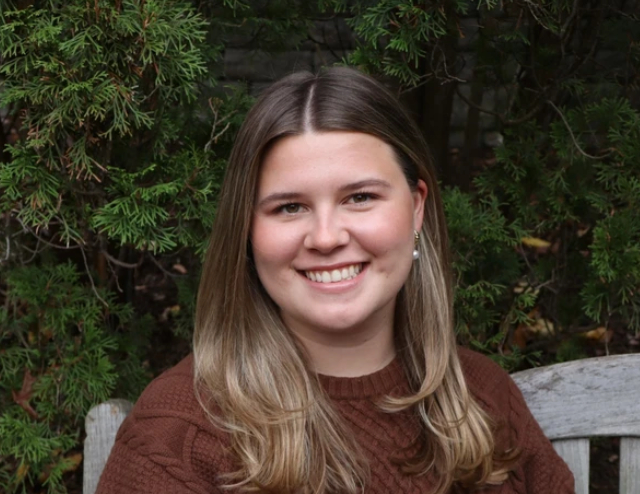
Hunter is a New Jersey Licensed Clinical Social Worker (LCSW) with a Master of Social Work from New York University. She believes that every behavior is rooted in emotion and unmet inner needs, and her approach is grounded in presence, empathy and genuine curiosity, so both partners feel heard rather than judged.
- License: Licensed Clinical Social Worker (LCSW), State of New Jersey
- Education: Master of Social Work (MSW), New York University
- Couples therapy training: Gottman Method
- Clinical training: Psychodynamic therapy, Cognitive Behavioral Therapy (CBT), Acceptance and Commitment Therapy (ACT), Internal Family Systems (IFS), mindfulness and meditation
- Mind-body credential: Registered Yoga Teacher (RYT-200), with breath-based somatic practices
- Who she helps: Couples and individuals
- Office: Light Street Psychotherapy, Short Hills, NJ (in-person + telehealth across New Jersey)
What Is the Gottman Method?
The Gottman Method was developed by Drs. John and Julie Gottman, based on decades of research observing real couples: what happens in relationships that last, and what happens in relationships that struggle. It’s one of the best-known, research-based approaches to couples therapy, and licensed therapists complete specialized training to use it. Instead of only talking about problems, it gives couples practical tools to:
- Manage conflict without it turning destructive
- Build friendship, fondness and appreciation
- Feel more understood and emotionally connected
- Repair after arguments instead of letting hurt pile up
- Create shared meaning, goals and rituals as a couple
It’s used with couples at every stage, from dating partners to couples married for decades, and with couples in crisis as well as those who simply want a stronger relationship.
The “Four Horsemen”: Patterns That Hurt Relationships
One of the best-known ideas in the Gottman Method is the “Four Horsemen,” four communication patterns that, over time, wear a relationship down:
- Criticism: attacking your partner’s character instead of the problem (“You never think about anyone but yourself”)
- Contempt: eye-rolling, sarcasm, mocking or acting superior
- Defensiveness: making excuses or turning the blame back around
- Stonewalling: shutting down, going silent or walking away mid-conversation
Most couples recognize at least one of these. As a Gottman-trained couples therapist, Hunter helps partners spot these patterns as they happen and learn the alternatives: speaking up gently, building appreciation, taking responsibility, and calming down before continuing a hard conversation.
Signs Couples Therapy Could Help
People often search things like “is it normal to fight this much” or “how do I know if we need marriage counseling.” Some common signs:
- The same arguments repeat without getting resolved
- One partner pursues and the other withdraws
- You feel more like roommates than partners
- Small issues quickly escalate into big fights
- Trust has been damaged, or there’s been a betrayal
- You’re facing a big change: a new baby, a move, a job loss, an empty nest
- You’ve stopped talking about anything that matters
- You love each other but don’t feel close anymore
You don’t have to wait for a crisis. Many couples come to a licensed couples therapist simply wanting to communicate better.
What Gottman Method Couples Therapy with Hunter Looks Like
While every couple is different, Gottman-based therapy with Hunter usually includes:
- Assessment: understanding your history, your strengths, and where you get stuck
- Learning new skills: how to start hard conversations gently, how to listen, and how to repair after conflict
- Practicing in session: working through real disagreements with guidance from a trained therapist, rather than only talking about them
- Building connection: strengthening friendship, appreciation and emotional closeness
- Practice at home: small, practical exercises between sessions
Hunter works collaboratively with both partners, at a pace that feels safe, and keeps the focus on understanding rather than blame.
Where Mindfulness and Mind-Body Work Fit In
Arguments aren’t just about words. When conflict heats up, the body reacts: heart racing, chest tight, mind going blank. In that state it’s very hard to listen or think clearly. As a Registered Yoga Teacher (RYT-200) trained in mindfulness, meditation and breath-based somatic practices, Hunter helps partners notice when they’re getting overwhelmed and calm their nervous system, so they can come back to the conversation ready to really hear each other. This combination of a clinical license, couples therapy training and mind-body practice is what sets her approach apart.
Individual Therapy with Hunter: Stress, Anxiety & Life Transitions
Hunter also works one-on-one as a licensed therapist with clients facing:
- Stress and anxiety
- Life transitions and big changes
- Emotional and mental health challenges
- Building emotional awareness and self-understanding
Her individual work draws on her training in psychodynamic therapy, CBT, ACT and IFS, combined with mindfulness and mind-body practices. Sometimes working on your own patterns, such as anxiety, avoidance or people-pleasing, is also the best thing you can do for your relationship.
How to Find the Best Couples Therapist for You
The best couples therapist is the one who fits both of you. When comparing couples therapists in New Jersey, it’s worth asking:
- Are you licensed in New Jersey? Look for a state license such as LCSW, LPC or LMFT.
- What specific couples therapy training or certification do you have? A structured, research-based approach such as the Gottman Method is a good sign.
- How do you keep sessions balanced so neither partner feels blamed?
- Will we learn practical skills, or mostly talk about the past?
- Do you offer telehealth? Online sessions can make it much easier for busy couples to attend together.
- What happens if only one partner is ready to start?
Where to Find Hunter
Hunter sees clients in Short Hills, NJ, with telehealth available throughout New Jersey, including Millburn, Springfield, Maplewood, South Orange, Summit, Madison, Chatham, Livingston, Florham Park, Westfield, Cranford, Whippany, Berkeley Heights, Union, Scotch Plains, Morristown, New Providence, and Mountainside.
Learn more about couples therapy at Light Street Psychotherapy, individual therapy, and the full range of services.
Contact: (973) 544-8617 | Book a free consultation
Hunter is one of three couples therapists on our team. Learn more about our full approach to couples counseling in NJ.