


Best Certified EMDR Therapist in Short Hills New Jersey
If you’ve already tried talking through a painful memory — maybe for years — and it still hits you just as hard, you’re not doing therapy wrong. Some experiences get “stuck” in the brain in a way that talk alone doesn’t reach. That’s exactly what EMDR (Eye Movement Desensitization and Reprocessing) was built for. And when you’re searching for an EMDR therapist in New Jersey, the single most important thing to check is how far that therapist’s EMDR training actually goes.
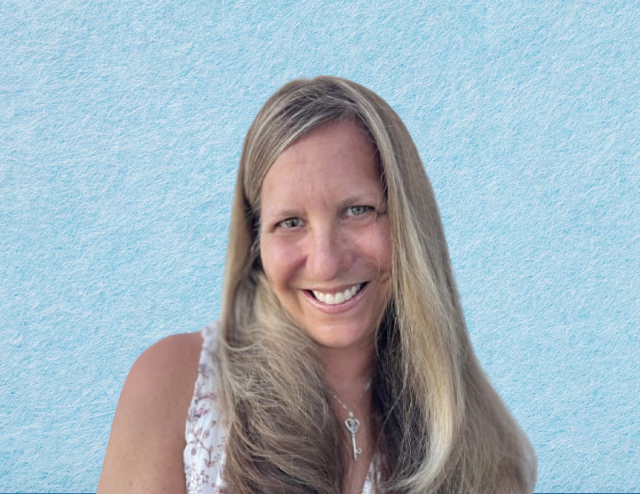
Meet the Therapist: Meredith Strauss, LCSW
Strauss is the founder of Light Street Psychotherapy in Short Hills, NJ, and a trauma specialist certified in EMDR to Level 3. She also uses the EMDR Flash Technique — a gentler, faster-acting variation of EMDR — for clients who find it too overwhelming to sit with a painful memory directly.
- Designation: Licensed Clinical Social Worker (LCSW), licensed in New Jersey and Florida
- Education: BA, Washington University in St. Louis; MSW with Honors, Rutgers University
- EMDR Certification: EMDR Level 3 Certified
- Additional EMDR Training: EMDR Flash Technique
- Role: Founder, Light Street Psychotherapy
- Who she sees: Adults and adolescents
- Office: Short Hills, NJ (in-person + telehealth NJ/FL)
What EMDR Actually Is
EMDR is an extensively researched, evidence-based therapy for trauma and PTSD. It’s based on the idea that when something overwhelming happens, the brain sometimes can’t finish processing it — so the memory stays “raw,” along with the fear, shame, or body sensations attached to it. That’s why an old event can still feel like it’s happening now.
EMDR uses bilateral stimulation — guided eye movements, taps, or tones that alternate left and right — while you briefly bring the memory to mind. This helps the brain finally process and file the memory where it belongs. The memory doesn’t disappear, but it stops carrying the same charge.
A few things people are often surprised by:
- You don’t have to describe what happened in detail. EMDR doesn’t require retelling the whole story out loud, which is a big relief for many trauma survivors.
- It follows a structured, eight-phase protocol. It isn’t open-ended — there’s preparation, stabilization, targeted reprocessing, and check-ins built in.
- It goes after the root, not just the symptom. EMDR targets the memory networks behind present-day reactions, like flinching at a raised voice or panicking in a car.
- It changes the beliefs that came with the trauma. Thoughts like “I’m not safe,” “It was my fault,” or “I’m powerless” often shift as the memory is processed.
What Is the EMDR Flash Technique?
The Flash Technique is a newer approach used within EMDR therapy. Instead of asking you to focus closely on a disturbing memory, it has you keep your attention on something positive or calming, while the memory sits in the background and you briefly “flash” — usually by blinking a few times — on cue.
Why it matters:
- It’s far less distressing. You aren’t asked to hold the painful memory in full focus, so the process feels much more tolerable.
- It can lower intensity quickly. It’s often used to bring a highly charged memory down to a manageable level so standard EMDR can then go further.
- It helps people who’ve felt “too much” in therapy before. Clients with severe trauma, dissociation, or a tendency to get flooded often find it a safer entry point.
Not every EMDR therapist is trained in the Flash Technique. Having both standard EMDR at Level 3 and the Flash Technique means Strauss can adjust the pace and intensity of the work to what your nervous system can actually handle.
What EMDR With Meredith Strauss Can Help With
Strauss specializes in trauma, and uses EMDR with people who have experienced:
- Sexual abuse
- Physical abuse
- Domestic violence
- Traumatic car accidents
- Medical trauma (surgeries, frightening diagnoses, hospital experiences)
- Childhood developmental or attachment trauma
- Grief
- Dissociation
EMDR is also widely used for:
- PTSD — flashbacks, nightmares, feeling constantly on guard
- Anxiety and panic attacks — especially when they trace back to a specific event
- Negative self-beliefs that formed after a hard experience and never went away
Signs EMDR Might Be Right for You
People searching “does EMDR work for trauma” or “EMDR therapist near me” are often describing something like:
- A memory that still feels vivid and upsetting no matter how much time passes
- Strong reactions to reminders — a smell, a song, a place, a tone of voice
- Avoiding certain roads, people, conversations, or situations
- Nightmares or trouble sleeping
- Feeling numb, “checked out,” or detached from your body
- Talk therapy that helped you understand what happened — but didn’t change how it feels
Why Level 3 EMDR Certification Matters
EMDR training isn’t all equal. A clinician can complete a basic introductory training and list “EMDR” on their profile. Level 3 certification reflects substantially more advanced training and supervised practice — which matters most with complex trauma, childhood trauma, and dissociation, where the work needs to be paced carefully and safely.
What to Ask When Comparing EMDR Therapists
When you’re screening an EMDR therapist in New Jersey, ask:
- How advanced is your EMDR training? Basic training, or certification beyond it?
- Do you use the Flash Technique or other gentler options if standard EMDR feels too intense?
- Do you have experience with my specific kind of trauma — abuse, a car accident, medical trauma, childhood trauma?
- How do you handle dissociation or feeling overwhelmed during a session?
- How do you prepare me before reprocessing begins? Good EMDR always starts with stabilization, not jumping straight into the hardest memory.
Where to Find Her
Meredith Strauss sees clients in Short Hills, NJ, with telehealth EMDR available throughout New Jersey — including Millburn, Springfield, Maplewood, South Orange, Summit, Madison, Chatham, Livingston, Florham Park, Westfield, Cranford, Whippany, Berkeley Heights, Union, Scotch Plains, Morristown, New Providence, and Mountainside — and in Florida.
Learn more about EMDR therapy at Light Street Psychotherapy.
Contact: (973) 544-8617 | meredithstrausssocialworker@gmail.com | Book a free consultation
This article is for general information and isn’t a diagnosis or a substitute for professional care. If you’re in crisis or your situation is life-threatening, call 911 or 988 (Suicide & Crisis Lifeline).