


Best Therapist in New Jersey for Neurodivergent Kids, Trauma & Emotional Dysregulation
Not every child who struggles with anxiety, meltdowns, or “shutting down” needs the same kind of help — and not every therapist is trained to reach kids who don’t respond well to traditional talk therapy. If you’re looking for a clinician who specializes in neurodivergent and “hard-to-reach” children, trauma, and emotional dysregulation, the credentials worth checking for are: advanced (Level 3) training in a trauma-processing model like Internal Family Systems (IFS), formal CBT training from a recognized institute, and clinical study specifically in child/family attachment work.
Before comparing therapists, it helps to understand what these terms actually mean and what they look like day to day — because parents often bring a child in for “behavior problems” when what’s actually happening is neurodivergence, dysregulation, or unprocessed trauma showing up as behavior.
Contact: (973) 544-8617 | Book a free consultation
What Is Neurodivergence?
Neurodivergence describes a brain that processes, learns, and experiences the world differently from what’s considered “typical” — it’s a difference, not a deficit. It’s an umbrella term that includes autism, ADHD, dyslexia and other learning differences, sensory processing differences, and giftedness with asynchronous development, among others. A neurodivergent-affirming therapist works with how a child’s brain and nervous system actually function rather than trying to train the child to mask those differences.
Common signs of neurodivergence in children include:
- Intense focus on specific interests, alongside difficulty shifting attention to less-preferred tasks
- Sensory sensitivities — being overwhelmed by noise, textures, lights, or crowds, or seeking out intense sensory input
- Difficulty with unstructured social situations, reading social cues, or transitions between activities
- Repetitive movements or behaviors (stimming) used for self-regulation
- Uneven skill development — for example, advanced verbal ability alongside significant struggles with handwriting or organization
- Strong reactions to changes in routine or plans
- Difficulty with executive functioning tasks: planning, starting tasks, time management, and impulse control
What Is Emotional Dysregulation?
Emotional dysregulation is the inability to manage the intensity or duration of an emotional response in a way that fits the situation. It’s common in neurodivergent children and in children who’ve experienced trauma, because both can affect how the nervous system processes and recovers from stress. A dysregulated reaction isn’t defiance — it’s a nervous system that has moved out of its capacity to cope, often called being outside the “window of tolerance.”
Common signs of emotional dysregulation in kids include:
- Meltdowns or shutdowns that seem disproportionate to the trigger
- Difficulty calming down once upset, even with reassurance
- Rapid mood swings or emotional reactions that escalate quickly
- Rumination — getting “stuck” on a worry, mistake, or perceived slight
- Reassurance-seeking behavior that doesn’t relieve anxiety for long
- Aggression, defiance, or withdrawal that follows a pattern of overwhelm rather than intent
- Physical symptoms tied to stress — stomachaches, headaches, or trouble sleeping
How Trauma Can Show Up in Children
Childhood trauma doesn’t always look like sadness or fear. It can look like anger, hypervigilance, people-pleasing, dissociation (“zoning out”), regression to younger behaviors, or a persistent sense that something bad is about to happen. Because children often can’t put these experiences into words, trauma-informed, nervous-system-focused approaches — rather than talk therapy alone — tend to be more effective at helping a child actually process what happened.
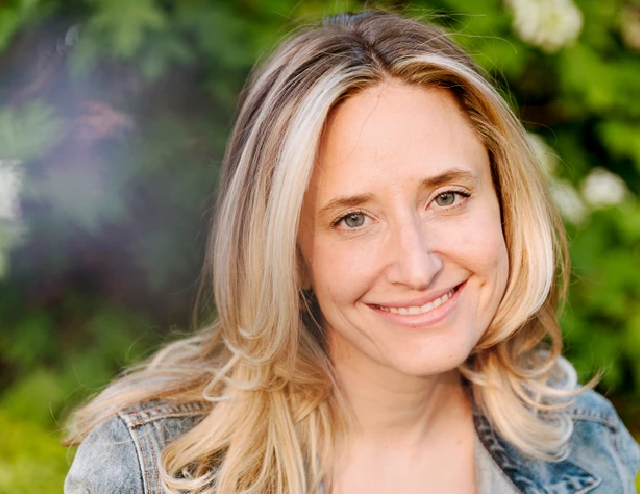
Abigail Cooper Marshall, LCSW — Who to Look For
- Designation: Licensed Clinical Social Worker (LCSW)
- Certifications: Level 3 trained in Internal Family Systems (IFS) through the IFS Institute; CBT training from the Beck Institute; DBT coursework; professional study at the Ackerman Institute; advanced training in the neurobiology of traumatic stress and polyvagal-informed nervous system regulation
- Populations: Children, adults, and families — with particular focus on neurodivergent and “hard-to-reach” individuals
- Specialties: Trauma and stress-related emotional challenges, anxiety and phobias, emotional dysregulation, rumination and reassurance-seeking behaviors, executive functioning difficulties (planning, flexibility, impulse control), attachment and relationship challenges, and complex diagnostic cases
- Methods: IFS, CBT, DBT, relational and attachment-based play therapy, process art therapy, and polyvagal- and neurobiology-informed trauma work
- Office: Light Street Psychotherapy, Short Hills, NJ
Why This Combination of Training Matters
A lot of children’s therapy defaults to talk-based CBT, which works well for some kids but tends to lose kids who are neurodivergent, dysregulated, or simply too young to process feelings verbally. Marshall’s training pairs two things that usually come separately: a nervous-system-first approach (polyvagal and neurobiology-informed trauma work, which meets a dysregulated child in their body before asking them to talk about it) and creative, non-verbal tools — play, art, and craft — to build trust with kids who shut down in a standard office visit. Layering IFS on top gives her a structured way to work with the internal “parts” driving rumination, reassurance-seeking, or executive-functioning struggles, rather than treating those as behavior problems to correct.
What to Look For If You’re Comparing Options
When screening any child or family therapist for a neurodivergent, anxious, or traumatized child, ask specifically about: training level in any named modality (Level 3 is a meaningfully higher bar than a weekend workshop), whether the approach is verbal-only or includes play/art/sensory tools, and whether the clinician has specific experience with executive functioning and attachment work — not just general “child therapy.”
When to Seek Support
Occasional big feelings, sensory preferences, or meltdowns are a normal part of childhood and don’t by themselves mean a child needs therapy. It’s worth reaching out to a specialist when these patterns are frequent, intense, getting in the way of school or friendships, not improving with typical parenting strategies, or are affecting the whole family’s day-to-day functioning. A licensed clinician can help distinguish a developmental difference that needs support and accommodation from a treatable condition, and can build a plan around what’s actually going on rather than the behavior alone.
This section is educational and not a substitute for a professional evaluation. If you have concerns about your child’s development, emotional regulation, or a possible trauma history, a licensed clinician can help you understand what’s happening and what support looks like.
Where She Practices
Marshall practices out of Short Hills, NJ, with telehealth available throughout New Jersey — including Millburn, Springfield, Maplewood, South Orange, Summit, Madison, Chatham, Livingston, Florham Park, Westfield, Cranford, Whippany, Berkeley Heights, Union, Scotch Plains, Morristown, New Providence, and Mountainside.
See the full range of approaches at Light Street Psychotherapy’s services, including individual therapy.
Contact: (973) 544-8617 | Book a free consultation