


Trauma, Anxiety, Depression & PTSD Therapy Therapist Near Me, New Jersey Millburn, NJ -Meredith Strauss, LCSW
📞 Call Meredith Strauss today: (973) 544-8617 · Request a free consultation
From the outside, life in Millburn can look like it’s running smoothly. The train into the city is on time, the kids are busy with school and activities, the calendar is full. But behind a lot of those full calendars are people quietly carrying something heavy — an old trauma that never really settled, anxiety that hums underneath every day, a low mood that rest doesn’t seem to fix, or a life change that has knocked everything off balance.
If that sounds familiar, I want you to know two things. First, you’re far from alone. Second, help is closer than you might think. Light Street Psychotherapy is in Short Hills, which is part of Millburn Township, just a few minutes from downtown Millburn and the Millburn and Short Hills train stations. I see clients in person here, and by telehealth anywhere in New Jersey and Florida.
In this post I’ll walk through what trauma, PTSD, anxiety, depression, and life transitions can actually feel like, how therapy helps, and what working together looks like.
Why So Many People in Millburn Wait to Get Help
Millburn and Short Hills are wonderful places to live, and they can also be high-pressure ones. Many of the people I work with are extremely capable — they manage demanding careers, long commutes, busy families, and high expectations — and that capability can make it harder to admit when something isn’t okay. There’s often a quiet belief that everyone else is handling things just fine, so they should be able to as well.
What I hear most often in a first session is some version of, “I thought I’d be over this by now.” Sometimes it’s a memory that still shows up in the body years later. Sometimes it’s panic that has started to interfere with work or sleep. Sometimes it’s a divorce, a health scare, an empty house after the kids leave, or caring for an aging parent. None of these are signs of weakness. They’re signs that something needs care — and that care works best when it’s matched to what’s really going on underneath.
When the Past Doesn’t Stay in the Past: Trauma and PTSD
Trauma isn’t defined only by what happened. It’s defined by what that experience did to your sense of safety. A car accident, a frightening medical event, abuse, violence, a sudden loss, or growing up in a home that felt unpredictable can all leave the nervous system stuck on high alert long after the danger is over.
For some people, that becomes PTSD (Post-Traumatic Stress Disorder). It might look like flashbacks or nightmares, or a strong reaction to a sound, smell, or place that seems to come out of nowhere. Many people start avoiding anything connected to what happened. Others feel constantly on guard and easily startled, or the opposite — numb, foggy, and not quite present, which is a form of dissociation. Underneath it there’s often a stubborn sense of guilt or shame, a feeling that it was somehow your fault.
In my practice, I work with trauma from sexual and physical abuse, domestic violence, medical and accident-related events, and childhood developmental and attachment wounds, as well as dissociation. If abuse is part of your story, you may find my post on trauma therapy for sexual and physical abuse survivors in Millburn helpful.
The Worry That Won’t Switch Off: Anxiety
Anxiety rarely announces itself clearly. More often it shows up as overthinking, a knot in your stomach that never fully loosens, or lying awake at night replaying conversations. For some people it builds into panic attacks — a racing heart, tight chest, and the frightening feeling that something is terribly wrong.
What surprises many of my clients is how well anxiety can hide behind high performance. Some of the most anxious people I meet are the most dependable on the outside: organized, prepared, always one step ahead. Inside, they’re exhausted from never being able to relax. They may need constant reassurance, struggle to concentrate, feel irritable for no clear reason, or quietly avoid situations that feel risky.
If you’re not sure whether what you’re experiencing is anxiety, How Do I Know If I Have Anxiety? is a good place to start.
More Than Feeling Sad: Depression
Depression is often misunderstood as simply feeling sad. For many people it feels more like heaviness — low energy, a slowed-down body and mind, and losing interest in things that used to bring joy. Sleep and appetite may change. Friends and family may start to feel far away, and it can become hard to imagine things getting better.
Depression frequently travels with unresolved trauma or long-term anxiety. When that’s the case, treating the low mood alone usually isn’t enough. Part of my work is looking at the whole picture, so we can address what’s feeding the depression, not just its surface.
When Life Shifts Under Your Feet: Life Transitions
Even changes we choose can shake our footing. Divorce or separation, a new job or retirement, becoming a parent, children leaving home, a new diagnosis, a move, or the death of someone close can stir up old feelings alongside new fears. It’s common to feel unsure of who you are in the middle of a transition. Therapy gives you a steady place to sort through what’s changing and decide who you want to be on the other side of it.
How Therapy Helps
My goal is to give you a calm, non-judgmental space where you can slow down, make sense of your reactions, and actually heal rather than just cope. Over time, that usually means understanding where your emotional patterns came from, helping your nervous system settle so daily life feels more manageable, processing painful memories so they lose their charge, and building healthier ways of relating to yourself and the people you love.
I draw on several approaches, chosen for each person rather than applied one-size-fits-all.
EMDR: Helping the Brain Finish Processing
EMDR (Eye Movement Desensitization and Reprocessing) helps the brain reprocess memories that got “stuck,” so they stop triggering the same fear, shame, or physical alarm. It’s one of the PTSD treatments recommended by the VA National Center for PTSD and the World Health Organization. I’m EMDR Level 3 certified, and I also use the EMDR Flash Technique, a gentler method that can reduce the intensity of a painful memory without asking you to dwell on its details. You can read more about EMDR at Light Street or about online EMDR.
Internal Family Systems: Getting to Know the Parts of You
Most of us recognize that we have different “parts” — the part that worries, the part that criticizes, the part that shuts everything down to stay safe. Internal Family Systems (IFS) helps you understand why those parts formed and what they’re trying to protect you from. Instead of fighting them, you learn to listen, and they can begin to let go of burdens they’ve been carrying for years. I’m IFS Level 3 certified.
Why I Use EMDR and IFS Together
Most therapists are trained in one of these approaches, not both to the highest certification level. I’ve found the combination especially powerful for trauma. EMDR works on how a memory is stored and processed; IFS works with the protective parts that grew up around it. Together, they help people heal at both levels — the memory itself and the self that’s been carrying it.
Skills for Overwhelming Moments
When emotions feel too big to manage, DBT-informed skills like grounding, distress tolerance, and emotion regulation can help you feel steadier day to day. For many clients, this is the first layer of work before deeper trauma processing begins.
Support for Couples and Families
Trauma and anxiety rarely affect just one person. Alongside individual therapy, I offer couples therapy using Intimacy from the Inside Out (IFIO), an IFS-based couples model, and family therapy.
What Working Together Looks Like
It starts with a free consultation call. We’ll talk briefly about what’s going on and whether I’m the right fit for you. If we decide to work together, our first sessions are about getting to know you — your history, what you’re struggling with now, and what you’d like to be different. You set the pace. You won’t be pushed to talk about trauma before you’re ready.
From there, we usually focus on building stability first, so you have tools to feel steadier between sessions. When you’re ready, we move into the deeper healing work with EMDR, IFS, or a combination of the two. As things shift, we spend time bringing those changes into your relationships, your work, and your everyday life. If you have questions about coverage, our insurance page has details.
A Few Questions People Often Ask
Is your office actually in Millburn? Yes. Short Hills is part of Millburn Township, so the office is just minutes from downtown Millburn and both local train stations. Telehealth is also available anywhere in New Jersey and Florida.
Do I have to talk about my trauma in detail? No. Both EMDR — especially the Flash Technique — and IFS allow healing without retelling every detail. You stay in control of what you share.
Can therapy help if I have both anxiety and depression? Yes. They often show up together and frequently share roots in long-term stress or past trauma. We work on the underlying causes, not just the symptoms.
Support Close to Home
I’m grateful to work with clients from Millburn and Short Hills, as well as neighboring Springfield, Maplewood, South Orange, Livingston, and Summit.
You deserve to feel safe, steady, and like yourself again. If you’re ready to take the first step, call me at (973) 544-8617 or request a free consultation.
If you are in crisis or thinking about harming yourself, call or text 988 (Suicide & Crisis Lifeline) or call 911.
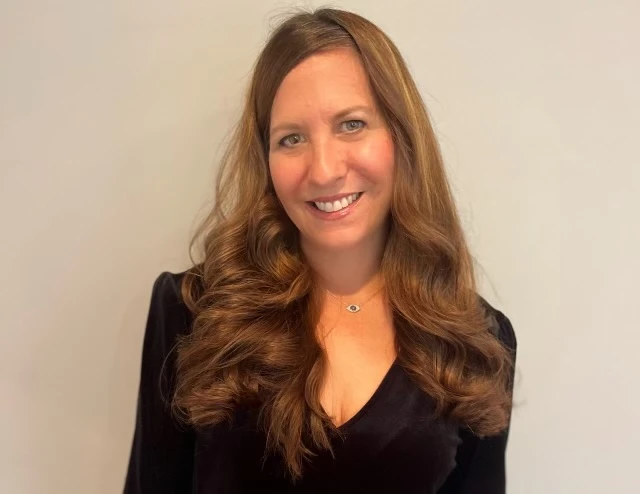
About the author: Meredith Strauss, LCSW, is the founder of Light Street Psychotherapy in Short Hills, NJ. She is licensed in New Jersey and Florida, holds an MSW with Honors from Rutgers University and a BA from Washington University in St. Louis, and is Level 3 certified in both EMDR and Internal Family Systems.